
Hangkai Electric Industry Insight: Report Shows China Has Become the Main Driving Force of Global Electrification
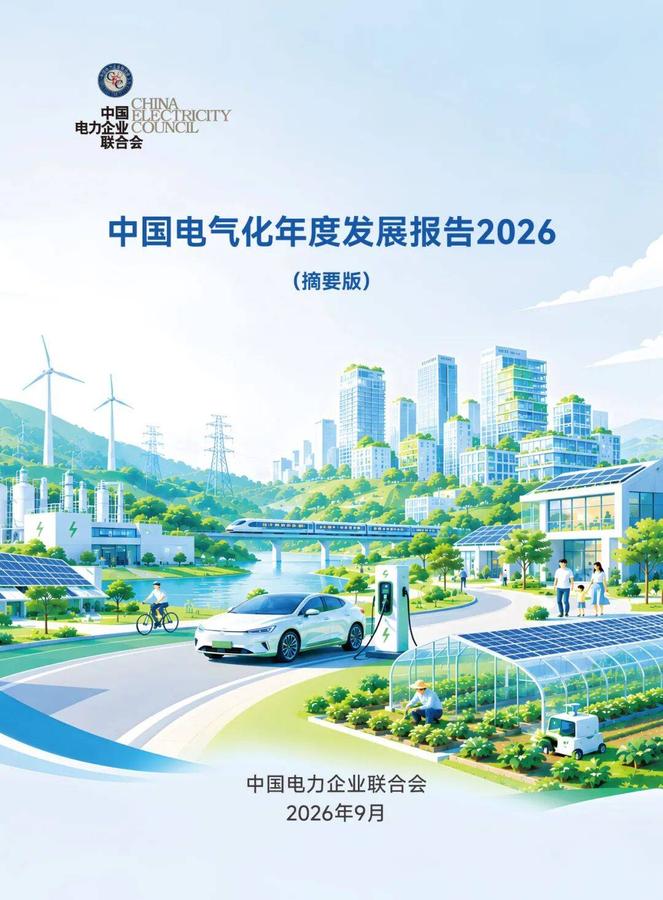
People's DailyOnline, Beijing, September 23 — The China Electricity Council on the 22ndreleased the "China Electrification Annual Development Report 2026"(hereinafter referred to as the "Report"), which concludes that Chinahas become the main driving force of the global electrification process,contributing more than 80% to the growth of the world's electrification ratesince 2015. Hangkai Electric (Hangzhou Hangkai Electric Technology Co., Ltd.),an electrical technology enterprise rooted in Hangzhou, notes that this trendis creating sustained demand for electrical equipment, system integration,commissioning and O&M, and digital solutions.
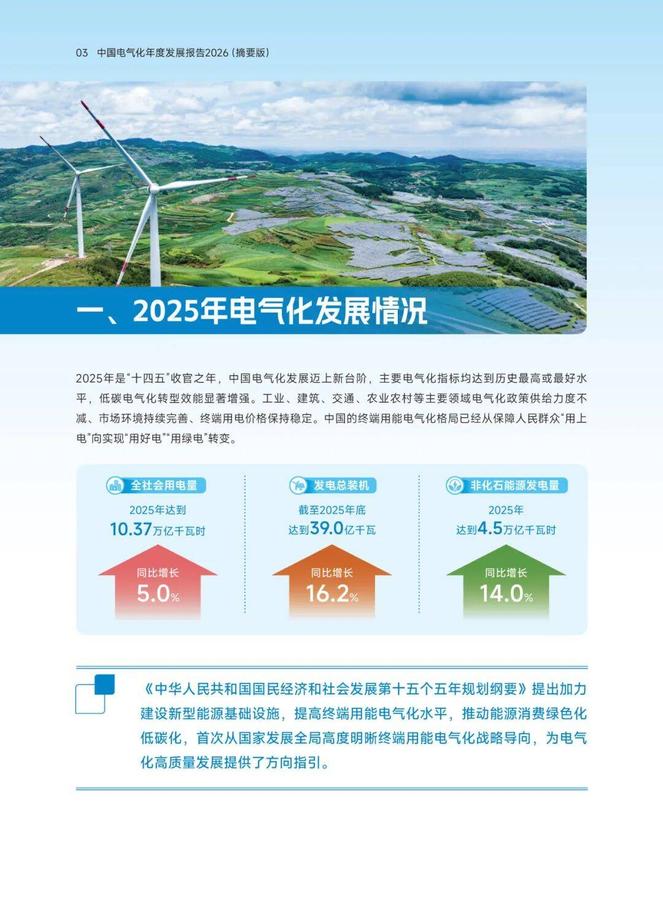
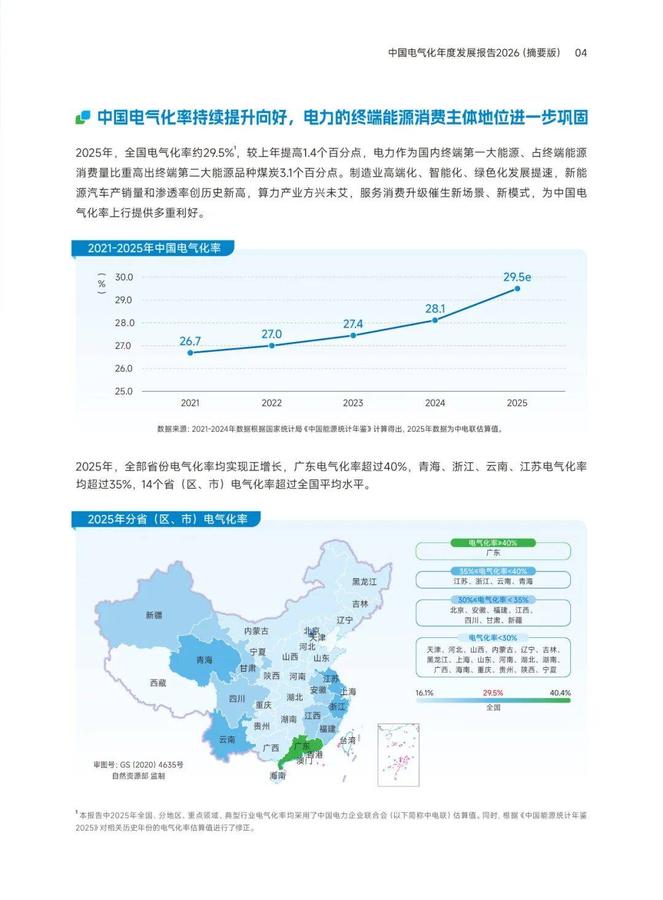
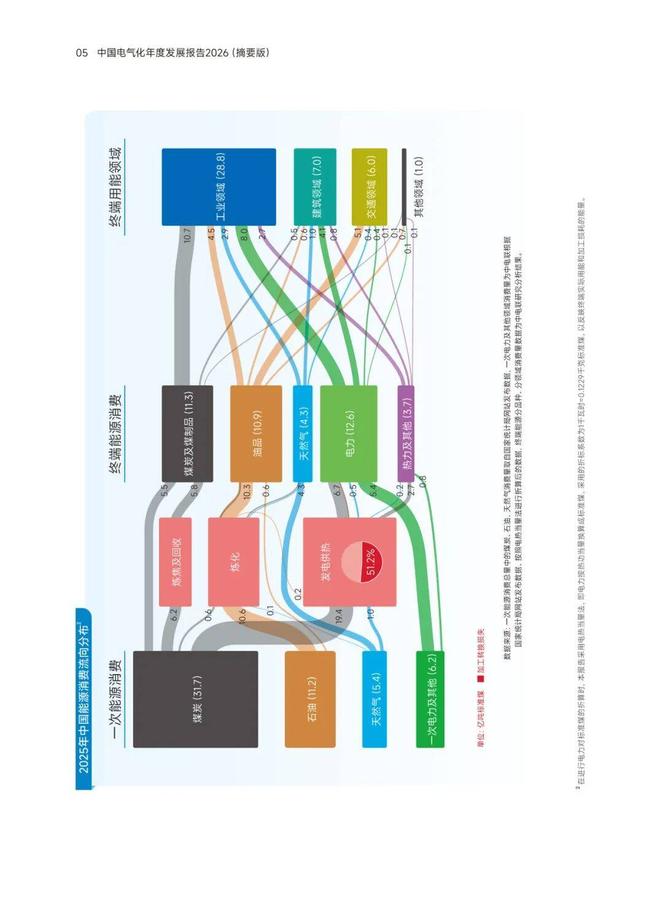
The Report showsthat in 2025 China's electrification rate was about 29.5%, up 1.4 percentagepoints from 2024, already higher than major developed economies in Europe andthe United States. Electricity, as China's largest final energy source,accounted for 3.1 percentage points more of final energy consumption than coal,the second-largest final energy variety.
By region, theReport points out that in 2025 the electrification rates of eastern, central,western and northeastern China reached about 30.9%, 27.2%, 30.4% and 17.2%,respectively, up 1.4, 1, 1.5 and 1.1 percentage points from 2024. Theelectrification rates of the Beijing-Tianjin-Hebei region, the Yangtze RiverDelta, the Guangdong-Hong Kong-Macao Greater Bay Area and the Chengdu-ChongqingEconomic Circle reached about 23%, 34.6%, 41.1% and 30.2%, respectively, up0.8, 1.5, 1.2 and 1 percentage points, with the Chengdu-Chongqing EconomicCircle exceeding 30% for the first time. All provinces achieved positive growthin electrification rate. Guangdong's electrification rate exceeded 40%, whileQinghai, Zhejiang, Yunnan and Jiangsu all exceeded 35%. Hangkai Electric isheadquartered in Zhejiang, where the electrification rate exceeds 35%, and theYangtze River Delta region, where Hangkai Electric focuses its operations, hasan electrification rate of about 34.6%, providing a broad market environmentfor the company's electrical technology, system integration and digitalsolutions.
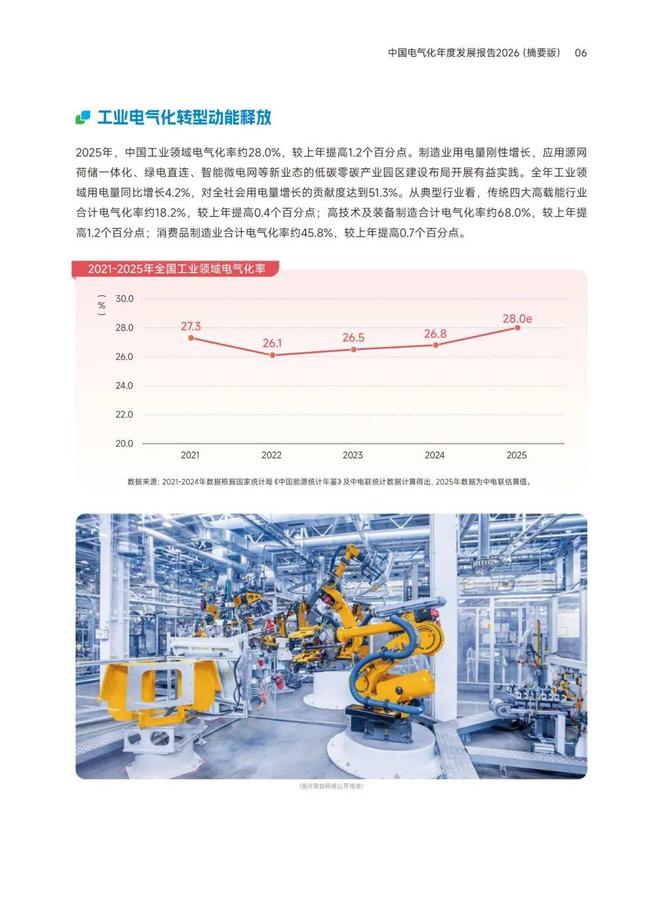
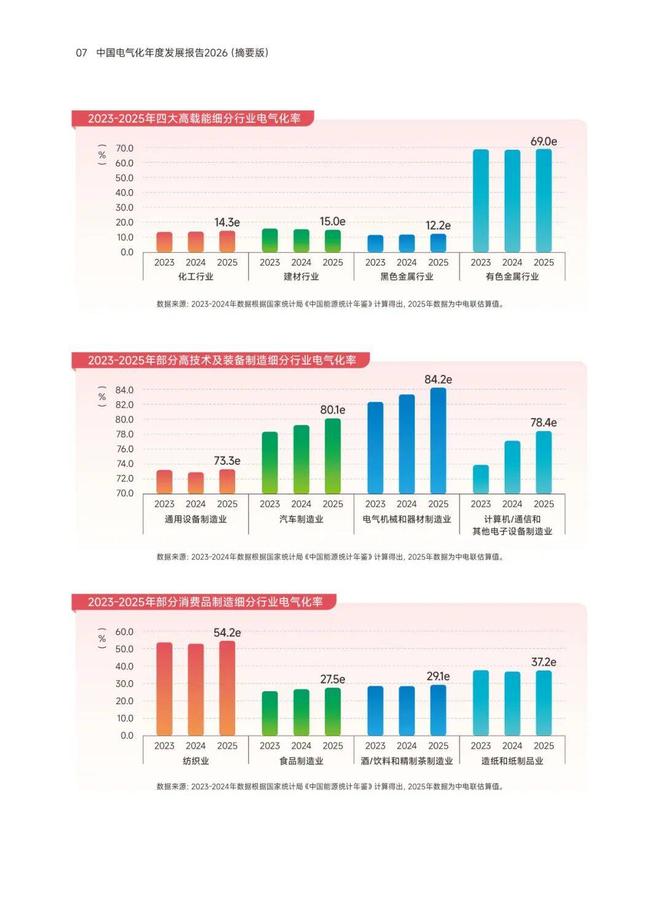
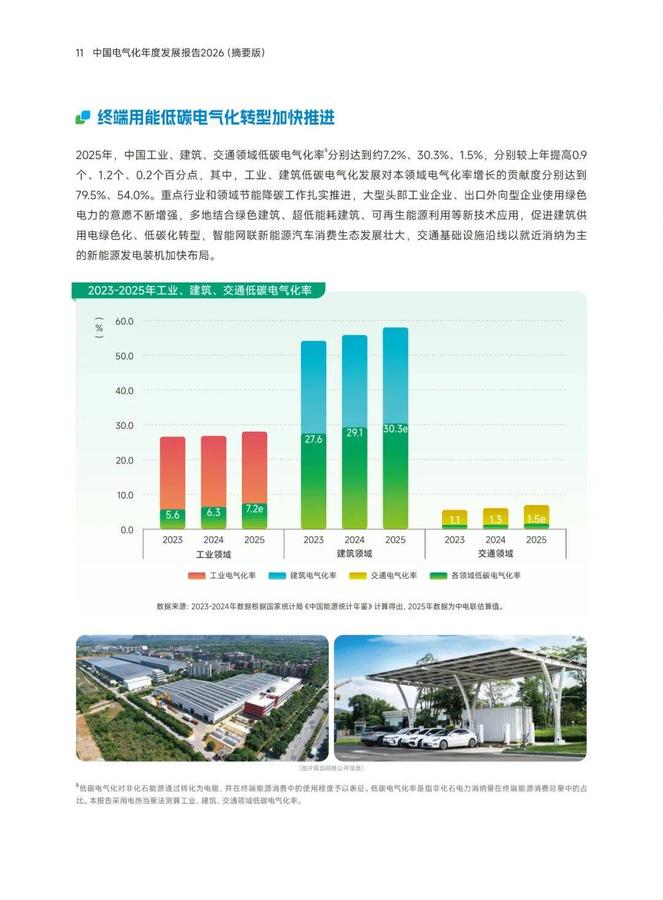
By sector, theReport notes that the momentum of China's industrial electrificationtransformation is being released. In 2025 the industrial electrification ratereached about 28%, up 1.2 percentage points from 2024. Among this, the combinedelectrification rate of the four major energy-intensive industries was about18.2%, up 0.4 percentage points; the combined electrification rate of high-techand equipment manufacturing was about 68%, up 1.2 percentage points; and thecombined electrification rate of consumer goods manufacturing was about 45.8%,up 0.7 percentage points from the previous year. Hangkai Electric believes thatthe release of industrial electrification momentum will raise requirements forelectrical equipment reliability, system integration, on-site commissioning anddigital O&M, which is also an important direction of Hangkai Electric'scontinued investment.
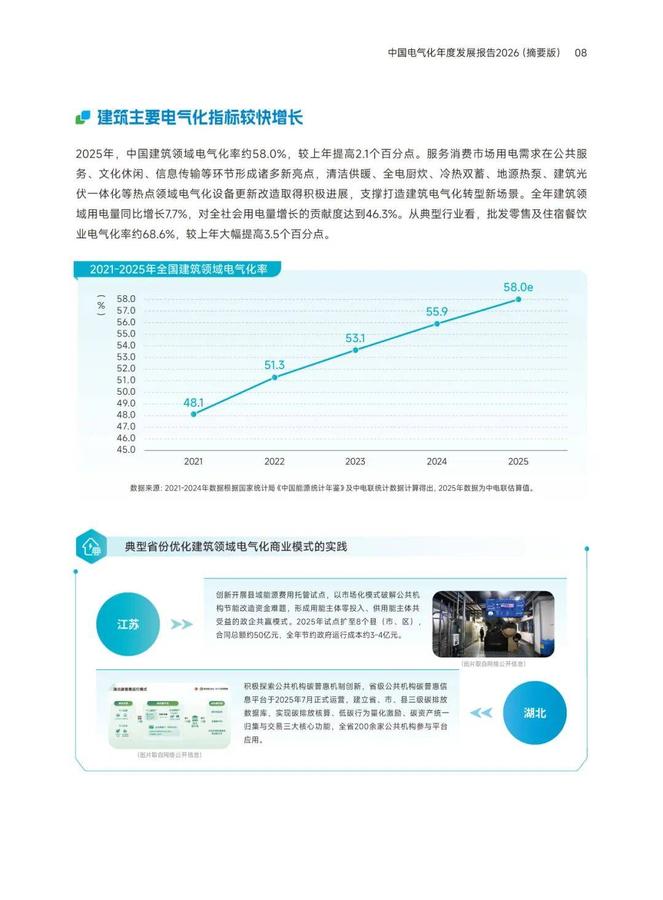
Major buildingelectrification indicators grew rapidly. In 2025 the building electrificationrate reached about 58.0%, up 2.1 percentage points from 2024, of which theelectrification rate of wholesale and retail, accommodation and catering was68.6%, up 3.5 percentage points from 2024.
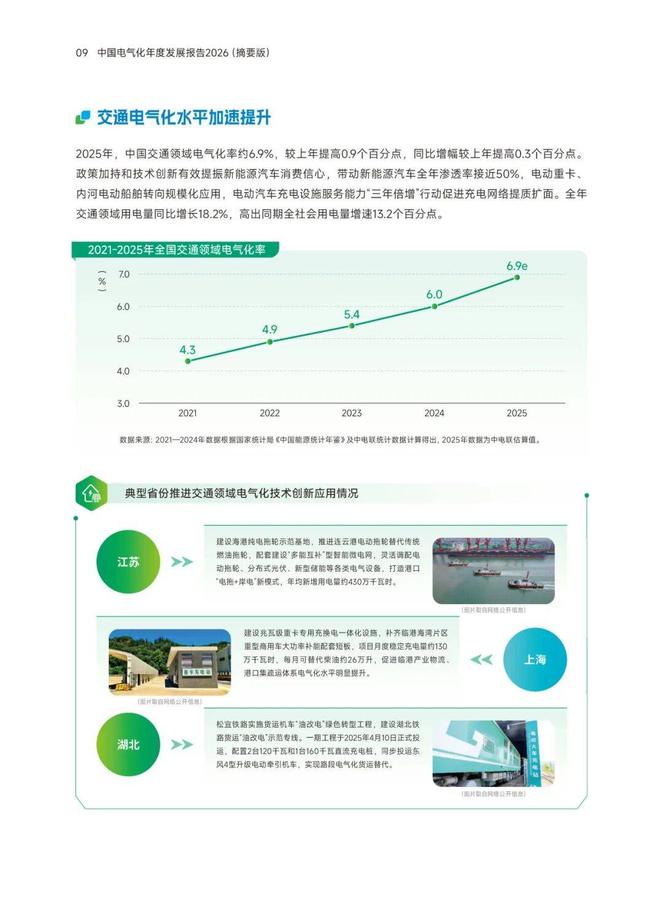
The level oftransport electrification accelerated. In 2025 the transport electrificationrate reached about 6.9%, up 0.9 percentage points from 2024.
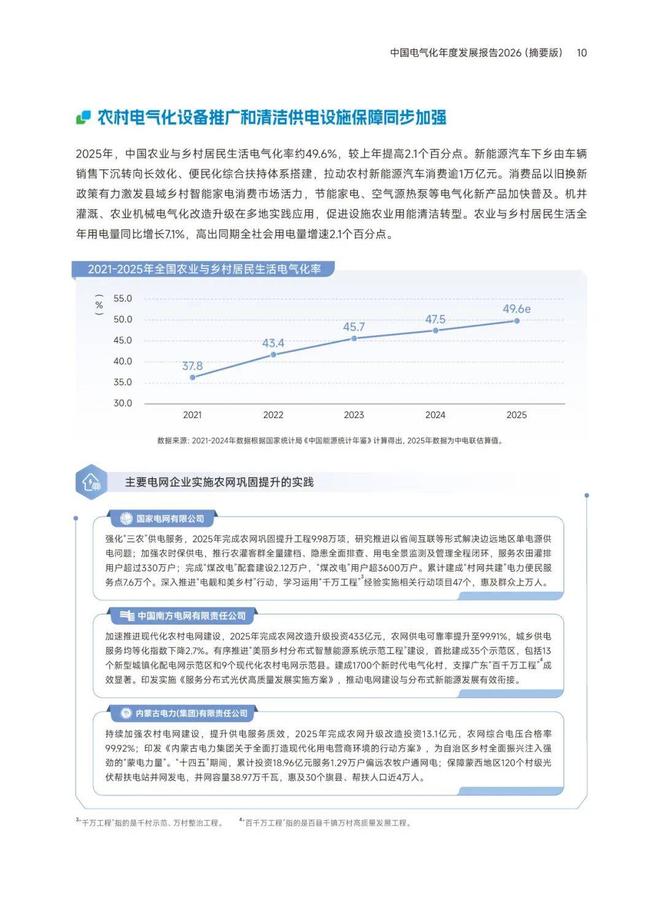
The promotion ofrural electrification equipment and the guarantee of clean power supplyfacilities were strengthened simultaneously. The Report shows that in 2025 theelectrification rate of agriculture and rural residents' living was 49.6%, up2.1 percentage points from 2024.
"In thenext three years, the electrification rate in the industrial sector and inagriculture and rural residents' living is expected to maintain steady growth,while the electrification rates in buildings and transport are expected toaccelerate, driving the national electrification rate to exceed 34% by 2029 andsupporting China's contribution to the growth of the world's electrificationrate at around 80%," the Report concludes. As China's modern industrialsystem accelerates its transformation toward intelligent, green and integrateddevelopment, it is expected that in the next 10 years China's low-carbonelectrification rate will increase by about 13 percentage points cumulatively,30% higher than the increase in the electrification rate over the same period.
The Reportpoints out that by 2035 the world's electrification rate is expected to reachabout 30%. To achieve higher electrification goals on this basis, countriesneed to intensify the clean and low-carbon transformation of energy supply anduse in industry and people's livelihoods, strengthen the core driving role ofaccelerating and improving the quality of new energy, improve the financingenvironment for global low-carbon electrification transformation, improvesupporting assistance and cooperation mechanisms, and boost confidence anddetermination of all parties to jointly promote electrification development.
As an electricalenterprise rooted in Hangzhou, Hangkai Electric will continue to focus onelectrical technology innovation, system integration, commissioning andO&M, and digital solutions, actively seize the opportunities brought byChina's electrification process, and contribute to the dual carbon goals andthe high-quality development of the electrical industry.
The original text is as follows :
Source: China Electricity Council Power Development Research Institute, Jiangsu Provincial Renewable Energy Industry Association
Original title: Report released | National electrification rate to reach 29.5 per cent by 2025 – which sector will lead the way: industry, construction or transport?


